
Welcome to our comprehensive guide on maximizing your sauna experience for ultimate relaxation.
Delving into detailed sauna basics, effective preparation methods, in-sauna relaxation techniques, and post-sauna cooling down tips, this article aims to enhance your understanding and utilization of saunas.
Whether you’re a seasoned sauna goer or a novice, these insights will empower you to incorporate sauna sessions seamlessly into your routine, promoting relaxation and overall well-being.
Understanding the Sauna Basics
Embracing the fundamental principles of sauna usage is crucial to optimise your relaxation experience. This practice, rooted in centuries-old traditions, has evolved to suit modern wellness needs, and understanding its core elements is pivotal to harnessing its full potential.
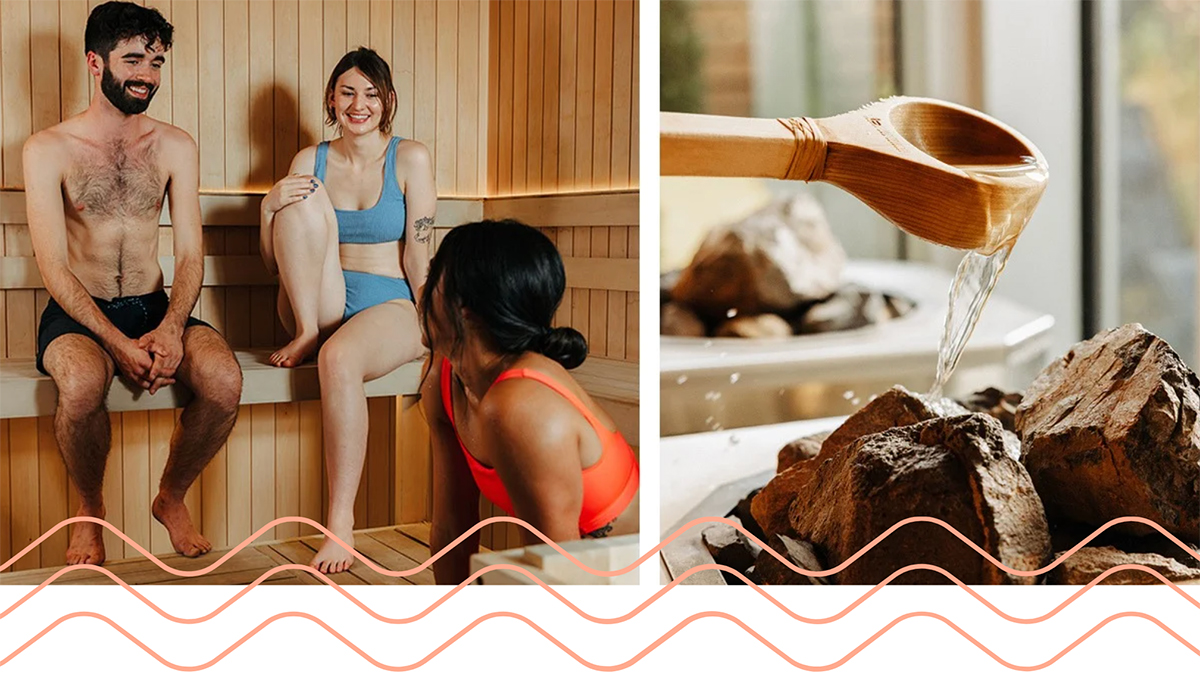
Saunas work by generating heat, which can range between 70 to 100 degrees Celsius. This heat induces sweating, which aids in flushing out toxins, improving circulation, and promoting relaxation. Proper hydration before, during, and after a sauna session is essential to replace the fluids lost through perspiration and to prevent dehydration.
Choosing the right type of sauna is also important. Traditional Finnish saunas use heated rocks to produce dry heat, while Turkish-style steam rooms create a humid environment. Infrared saunas, on the other hand, use light waves to heat the body directly, providing a different experience.
Time spent in a sauna should be tailored to personal comfort. Usually, 15-30 minutes per session is recommended, with breaks in between to allow the body to cool down. Cooling down is as crucial as the heat phase, with a cold shower or plunge pool often suggested to stimulate circulation.
Preparing for Your Sauna Session
Before you enter the sauna, it is essential to adequately prepare for the session in order to ensure maximum relaxation and wellness benefits. The sauna experience begins with the preparation, which involves maintaining proper hydration, wearing appropriate attire, and setting a conducive mindset.
Starting with hydration, consume an ample amount of water before your sauna session. The heat in a sauna promotes sweating, which can lead to dehydration if you are not properly hydrated. As a rule of thumb, drink at least two glasses of water prior to your session.
Next, wear loose, comfortable clothing or a bathing suit. This allows for maximum body surface exposure to the heat, facilitating better perspiration and detoxification process. Avoid synthetics and opt for natural fabrics that breathe.
Finally, set your mindset. Approach the sauna as a time for relaxation and rejuvenation. Disconnect from your routine stresses and concerns. This mental preparation helps to maximize the therapeutic effects of the sauna, promoting an overall sense of well-being.
Maximizing Relaxation Inside the Sauna
In the context of maximizing relaxation during your sauna session, it is crucial to consider specific strategies that can enhance your comfort and enjoyment. Firstly, the temperature and humidity should be set to your personal preference. A temperature range of 70-90°C (158-194°F) is typically recommended for traditional saunas, with humidity levels of 10-20%.
Proper hydration is also essential. Drink water before, during and after your session to replace the fluids lost through sweating. Make sure to also limit your time in the sauna to 15-20 minutes per session to prevent overheating.
Next, consider using aromatherapy. Essential oils such as lavender, eucalyptus, or peppermint can be added to the water thrown onto the sauna rocks to create a soothing, healing atmosphere.
Finally, focus on your breathing. Deep, slow breaths can reduce stress and promote a state of calm, enhancing the overall relaxation effect. Remember to keep a calm and serene mindset, leaving any stress or worries outside the sauna door.
These strategies, when implemented correctly, can help you maximize your relaxation and enjoyment inside the sauna, leading to a more fulfilling and beneficial sauna experience.
Post Sauna Cooling Down Tips
After concluding your sauna session, it is imperative to adopt effective cooling down strategies to maintain the relaxation benefits and prevent sudden changes in body temperature. The body needs time to transition back to its normal state, and doing so gradually can help avoid any potential discomfort or stress.
One effective method is to take a shower with lukewarm water. This allows your body to adjust slowly and comfortably from the sauna’s intense heat. Avoid using cold water immediately as it can shock your system, leading to discomfort and potential health risks.
Drinking plenty of water is also essential during the cooling down process. Sauna sessions can be dehydrating, so replenishing your body’s water levels will help prevent dehydration and promote better overall wellbeing.
Another recommendation is to rest and relax for a few minutes after exiting the sauna. This can be done in a cool room or an outdoor space. The aim is to let your body temperature lower naturally, without rushing the process.
Lastly, remember that everyone’s body is unique. Listen to your body and adjust these tips as needed. Cooling down properly after a sauna session is an integral part of maximizing your relaxation experience.
Incorporating Sauna Into Your Routine
To truly reap the benefits of a sauna, regular integration of sauna sessions into your wellness routine is key. Adopting a consistent sauna schedule can significantly enhance both your physical and mental well-being, while also providing a sense of freedom and relaxation.
The frequency of sauna sessions depends on personal preference and health conditions. However, experts suggest two to three sessions per week for optimal results. Each session should ideally be 15 to 20 minutes long, followed by adequate cooling down time. This duration enables your body to gradually adjust to the heat, thereby maximizing the therapeutic effects.
Incorporating sauna into your daily routine can be as simple as allocating time before or after your workout. Morning sessions can help kick-start your metabolism, while evening sessions can aid in relaxation and improved sleep.
Conclusion
In conclusion, utilizing a sauna can provide a multitude of relaxation benefits when done correctly. Understanding the basic functionality of a sauna, preparing adequately, and incorporating specific relaxation techniques can enhance the overall experience.
Following the session with appropriate cooling down methods further promotes relaxation and recovery. Regularly incorporating sauna sessions into one’s routine can contribute to sustained wellness and relaxation.