
In the dynamic socio-cultural landscape of Singapore, proficiency in the Chinese language stands as a cornerstone for fostering interconnectedness and mutual understanding among its diverse populace chinese tuition. The ability to communicate effectively in Chinese not only facilitates interactions within the community but also holds the key to unlocking various opportunities in both professional and academic spheres. As Singapore continues to evolve as a global hub, the significance of Chinese language proficiency remains paramount in navigating the intricacies of cultural exchange and societal cohesion.

Cultural Integration and Understanding
The cultural integration and understanding within the context of Chinese language proficiency in Singapore plays a pivotal role in fostering a harmonious and cohesive societal fabric.
Singapore’s multicultural landscape underscores the significance of language proficiency as a tool for bridging cultural divides and nurturing mutual respect among its diverse population.
Proficiency in the Chinese language not only facilitates communication but also serves as a conduit for the exchange of ideas https://www.yanzimandarin.com/, values, and traditions among different ethnic communities.
Career Advancement Opportunities
Proficiency in the Chinese language in Singapore not only enhances cultural integration but also opens up significant career advancement opportunities for individuals in various industries. In Singapore’s multicultural and multilingual business environment, proficiency in Chinese can provide a competitive edge. Many local and international companies value employees who can speak Chinese fluently, as it enables them to effectively communicate with Chinese-speaking clients, partners, and stakeholders. Additionally, Singapore’s strong economic ties with China make Chinese language skills highly sought after in industries such as finance, trade, tourism, and technology.
Proficiency in Chinese can lead to career advancement opportunities such as being selected for international assignments, negotiating business deals with Chinese companies, or taking on roles that require bilingual communication. Moreover, in a globalized world where China plays a significant role, individuals with Chinese language proficiency are better positioned to navigate cross-cultural interactions and contribute meaningfully to their organizations’ success. Therefore, mastering the Chinese language can significantly enhance one’s career prospects and professional growth in Singapore’s dynamic business landscape.
Enhanced Communication in Daily Life
Enhanced Chinese language proficiency in Singapore contributes to improved social interactions as individuals can communicate effectively in various settings.
This linguistic skill also deepens cultural understanding, fostering better relationships and mutual respect among different communities.
Moreover, an enhanced ability to communicate in Chinese opens up a broader range of career opportunities, enabling individuals to engage in diverse professional fields and industries.
Improved Social Interactions
Enhancing communication skills in daily interactions plays a crucial role in fostering stronger social connections within the diverse community of Chinese language speakers in Singapore. Improved Chinese language proficiency enables individuals to express themselves more fluently, leading to enhanced understanding and empathy in social exchanges. This, in turn, contributes to smoother interactions, reduced misunderstandings, and increased cooperation among peers.
Clear communication also helps in building trust and rapport, essential components for establishing lasting relationships within the community. Moreover, effective communication skills facilitate active participation in various social settings, such as work environments, educational institutions, and community activities, enriching the overall social experience for Chinese language speakers in Singapore.
Cultural Understanding Deepens
Improved Chinese language proficiency not only enhances social interactions but also deepens cultural understanding in daily life among Chinese language speakers in Singapore. By being able to communicate effectively in Chinese, individuals can engage more deeply with Chinese culture, traditions, and values. This enhanced communication facilitates better relationships with Chinese-speaking communities, leading to a greater appreciation and respect for their customs and beliefs.
Understanding the nuances of the Chinese language also opens doors to a wealth of literature, history, and art that are integral to Chinese culture. Overall, a higher level of Chinese language proficiency not only improves day-to-day interactions but also fosters a more profound cultural understanding that enriches the lives of individuals in Singapore.
Career Opportunities Expand
Proficiency in the Chinese language opens up a multitude of career opportunities for individuals in Singapore, enhancing their communication skills and expanding their professional horizons.
In a multicultural society like Singapore, where Mandarin is widely spoken, being fluent in Chinese can give individuals a competitive edge in various industries such as business, tourism, education, and public service.
Effective communication in Mandarin can facilitate better networking, negotiation, and understanding of Chinese clients and colleagues, thus paving the way for career advancement and global opportunities.
Moreover, as Singapore continues to strengthen its ties with China and other Chinese-speaking countries, the demand for professionals proficient in Chinese is expected to grow, making it a valuable asset in today’s job market.
Academic and Educational Benefits
Possessing a high level of proficiency in the Chinese language in Singapore can significantly enhance academic and educational opportunities for individuals. In the academic sphere, being proficient in Chinese opens doors to a wide array of educational resources, including access to Chinese literature, history, and philosophy. This can enrich one’s academic experience and provide a deeper understanding of cultural nuances. Moreover, in a multicultural society like Singapore, where bilingualism is highly valued, proficiency in Chinese can lead to better academic performance overall. Students who are fluent in Chinese may have an edge in subjects like Chinese language studies, Chinese history, and even in subjects that require critical analysis and interpretation.
Furthermore, having strong Chinese language skills can also facilitate educational exchanges with Chinese-speaking countries, enabling students to participate in study abroad programs and research collaborations. This exposure can broaden their academic horizons and foster cross-cultural understanding, preparing them for success in an increasingly interconnected world.
Social and Networking Advantages
Elevating one’s proficiency in the Chinese language can pave the way for advantageous social connections and networking opportunities in Singapore. Singapore is a multicultural society where Chinese language proficiency can serve as a bridge to connect with the Chinese-speaking community. Being able to converse fluently in Chinese opens up avenues for deeper engagement with Chinese Singaporeans, leading to stronger relationships and a better understanding of their culture and customs.
Proficiency in Chinese can also enhance networking opportunities, especially in business settings where knowledge of the language can facilitate communication and relationship-building with Chinese-speaking clients and partners. Many business transactions in Singapore involve Chinese companies or individuals, making Chinese language skills a valuable asset for expanding professional networks and fostering collaborations.
Furthermore, social events, gatherings, and cultural activities often involve the use of Chinese language. By being proficient in Chinese, individuals can actively participate in these events, establish meaningful connections, and immerse themselves in the rich tapestry of Singapore’s multicultural society. Ultimately, Chinese language proficiency offers a gateway to a broader social landscape and opens doors to diverse networking opportunities in Singapore.
Preserving Heritage and Identity
Enhancing one’s grasp of the Chinese language contributes significantly to the preservation of heritage and identity in Singapore’s diverse cultural landscape. Language serves as a vessel for transmitting traditions, values, and stories across generations. In Singapore, where multiculturalism thrives, the Chinese language plays a vital role in connecting individuals to their roots and fostering a sense of belonging.
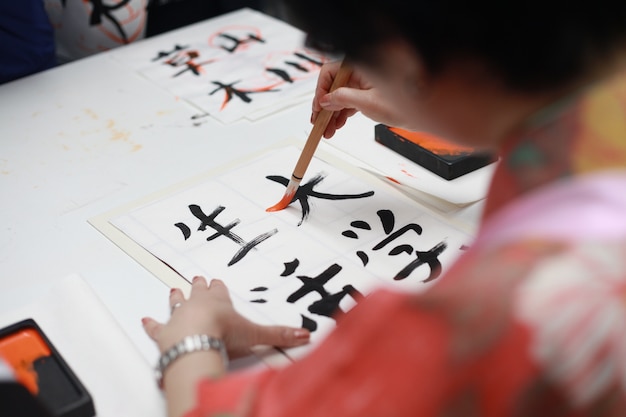
By understanding Chinese, individuals gain access to a wealth of literature, folklore, and historical texts that are essential components of Singapore’s rich heritage. Moreover, language proficiency enables individuals to engage more deeply with cultural practices such as Chinese calligraphy, poetry, and traditional customs, thereby strengthening their connection to their cultural identity.
Language is not only a means of communication but also a gateway to preserving customs and traditions that define a community. In Singapore, where diverse ethnicities coexist harmoniously, the ability to speak and understand Chinese facilitates intercultural dialogue and mutual understanding, fostering a more inclusive society where heritage and identity are celebrated and preserved.
Conclusion
In conclusion, the significance of Chinese language proficiency in Singapore transcends mere communication skills, playing a pivotal role in fostering cultural integration, career advancements, academic opportunities, and social networking advantages.
By valuing and promoting Chinese language skills, Singapore not only preserves its rich heritage and traditions but also strengthens its societal fabric, promoting inclusivity and mutual respect in a diverse and multicultural environment.
Ultimately, Chinese language proficiency is a key asset in navigating the complexities of modern society.