
Exploring unconventional venues for your next event can revolutionize the way guests experience gatherings, creating an atmosphere that lingers in their memories long after the occasion has ended event space in Singapore. The strategic selection of a venue can set the tone for the entire event, influencing everything from guest interactions to the overall ambiance. By venturing beyond traditional event spaces, planners have the opportunity to craft truly immersive experiences that captivate attendees and offer a fresh perspective on event design.
Benefits of Unconventional Venues
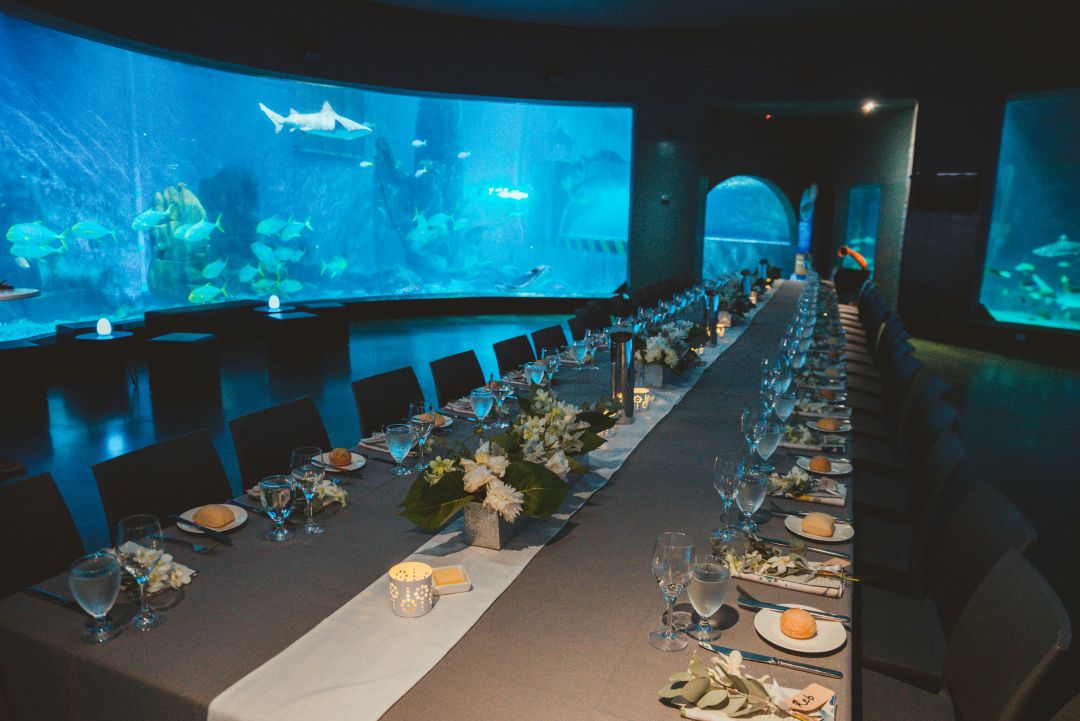
In exploring the advantages of hosting events in unconventional venues, one can uncover unique opportunities for creating memorable experiences that stand out from traditional settings. Unconventional venues, such as art galleries, rooftop gardens, or historic theaters Askvenue, offer a breath of fresh air compared to standard event spaces. These unique locations provide a sense of freedom and creativity that can elevate any gathering to new heights.
One key benefit of choosing an unconventional venue is the ability to customize the space to fit the theme and goals of the event. Whether it’s a product launch, a corporate retreat, or a wedding celebration, these non-traditional settings offer a blank canvas for creativity. Imagine hosting a networking event in a renovated warehouse or a team-building retreat in a lush botanical garden – the possibilities are endless.
Moreover, unconventional venues often spark curiosity and excitement among attendees. The novelty of experiencing an event in a unique location can leave a lasting impression and make the occasion truly unforgettable. By thinking outside the box and exploring unconventional venues, event planners can craft one-of-a-kind experiences that leave a lasting impact on guests.
Challenges to Consider
Exploring unconventional venues for events presents a myriad of opportunities for creativity and innovation, yet it also brings forth significant challenges that event planners must carefully consider and navigate. One of the main challenges is ensuring that the chosen venue aligns with the event’s theme and purpose. It requires meticulous planning to transform a non-traditional space into a suitable setting for the event. Additionally, logistical challenges such as accessibility, parking, and amenities may arise when dealing with unconventional venues, which can impact the overall guest experience.
Another challenge is the need to secure permits and approvals for hosting events in unique locations. Some unconventional venues may not be accustomed to hosting events, requiring event planners to navigate through unfamiliar regulations and procedures. Moreover, budgeting for unconventional venues can be tricky, as unexpected costs may arise during the planning process. It is essential to conduct thorough research and have contingency plans in place to address unforeseen challenges that may arise when utilizing unconventional venues for events.
Unique Venue Ideas
Consider a diverse range of unique venue ideas to elevate the experience and ambiance of your event. Think about hosting your event in unconventional spaces such as art galleries, rooftop terraces, or even botanical gardens. These locations offer a distinctive atmosphere that can make your event truly memorable. Art galleries provide a sophisticated backdrop with intriguing artwork, while rooftop terraces offer stunning views and a sense of exclusivity. Botanical gardens create a peaceful and enchanting setting, perfect for weddings or elegant soirées.
For a more adventurous touch, consider hosting your event in a refurbished barn, a chic warehouse, or even a historic library. These unconventional venues add character and charm to your event, creating a unique experience for your guests. A barn can provide a rustic and charming ambiance, while a warehouse offers an industrial-chic vibe. A historic library exudes elegance and sophistication, perfect for formal gatherings or corporate events. By choosing a unique venue, you can set the stage for an event that stands out and leaves a lasting impression.
Budgeting for Non-Traditional Spaces
When considering non-traditional spaces for events, it is crucial to explore cost-effective venue options that align with the event’s budget. Unique space considerations should be taken into account, focusing on how the venue’s characteristics can enhance the overall experience for attendees.
Implementing financial flexibility strategies can help ensure that the event remains within financial constraints while still utilizing the unique aspects of the chosen non-traditional space.
Cost-Effective Venue Options
In the realm of event planning, the pursuit of cost-effective venue options often leads organizers to consider the allure and practicality of non-traditional spaces. These unique spaces, such as rooftop terraces, warehouses, or art galleries, offer a budget-friendly alternative to traditional venues without compromising on style or ambiance.
By opting for unconventional locations, event planners can often negotiate more flexible rental terms, allowing for cost savings that can be redirected towards enhancing other aspects of the event. Additionally, non-traditional venues provide an opportunity for customization and creativity, offering a blank canvas for organizers to transform and personalize according to their event’s theme or purpose.
Embracing these cost-effective options opens up a world of possibilities for creating unforgettable experiences while staying within budget constraints.

Unique Space Considerations
Exploring unique space considerations for event venues involves a strategic approach to budgeting that leverages the creative potential and cost-saving opportunities offered by non-traditional spaces. When budgeting for non-traditional venues, it’s essential to consider factors like rental fees, additional services, and any necessary modifications to the space.
While non-traditional venues may offer unique ambiance and character, they can also present challenges such as limited amenities or logistical constraints. To effectively budget for these spaces, event planners should carefully analyze the costs associated with transforming the venue to meet their event’s needs.
Financial Flexibility Strategies
To optimize financial planning for non-traditional event spaces, meticulous consideration of budget allocation is essential to ensure cost-effectiveness and resource efficiency. When budgeting for non-traditional venues, it’s crucial to account for unique expenses such as permits, equipment rentals, and setup/teardown costs.
One effective strategy is to negotiate flexible pricing arrangements with vendors and venue owners, allowing for adjustments based on event turnout or specific space requirements. Additionally, creating a detailed budget breakdown with contingency funds for unforeseen expenses can provide a safety net while exploring unconventional spaces.
Selecting the Perfect Location
The selection of an ideal venue plays a critical role in the success of any event. It requires careful consideration of various factors to ensure a seamless and memorable experience for all attendees.
When choosing the perfect location, it is essential to assess the accessibility for guests. This ensures that transportation options are convenient and readily available. Additionally, the ambiance and atmosphere of the venue should align with the theme and tone of the event, creating a cohesive and engaging environment.
Consider the size of the venue in relation to the number of attendees to avoid overcrowding or excessive space. Striking a balance fosters interaction and comfort. Furthermore, the location should offer flexibility in terms of layout and design possibilities, allowing for creative freedom in transforming the space to fit the event’s vision.
Design and Decor Considerations
When planning an event, the design and decor play a crucial role in setting the ambiance and creating a memorable experience for attendees. Theme selection tips can guide you in choosing a cohesive and impactful design scheme, while considering lighting effects can enhance the mood and atmosphere of the venue.
Additionally, space utilization ideas can help maximize the functionality of the venue while maintaining an aesthetically pleasing environment.
Theme Selection Tips
Selecting a theme for an event involves considering various design and decor elements that will create a cohesive and memorable atmosphere for attendees. When choosing a theme, consider the purpose of the event and the preferences of the audience. It’s essential to select a theme that resonates with the attendees and reflects the overall message or goal of the event.
Incorporating elements such as colors, textures, and props that align with the chosen theme can enhance the overall ambiance and leave a lasting impression on guests. Remember to pay attention to details like table settings, centerpieces, and signage to ensure a consistent and immersive experience for attendees.
Lighting Effects Impact
Enhancing event ambiance through strategic lighting design can significantly influence the overall aesthetic and guest experience. Lighting effects have the power to transform a space, creating different moods and atmospheres.
By using a combination of spotlights, colored lights, and ambient lighting, event planners can evoke emotions and enhance the theme of the event. For example, soft, warm lighting can create a cozy and intimate setting for a wedding reception, while bright, colorful lights can energize a dance floor at a lively party.
Additionally, incorporating dynamic lighting effects like pattern projections or LED displays can add a modern and visually captivating element to the venue. Careful consideration of lighting design can truly elevate the overall event experience for guests.
Space Utilization Ideas
Strategic utilization of space in event planning involves meticulous attention to design and decor considerations to optimize the functionality and aesthetics of the venue. To make the most of space, consider versatile furniture that can be easily rearranged to suit different event layouts.
Incorporate multi-functional elements such as decorative screens that can serve as partitions or focal points. Embrace vertical space by hanging decorations or installing shelves to display items, freeing up floor space.
Utilize lighting strategically to highlight key areas and create ambiance. Choose a color scheme that complements the venue’s architecture and enhances the overall atmosphere.
Logistics and Planning Tips
When organizing a venue for an event, meticulous attention to logistics and planning is essential to ensure a seamless and successful experience for all involved. To begin, create a detailed timeline outlining key milestones and deadlines. This will help keep tasks on track and ensure nothing is overlooked. Next, establish clear communication channels with all stakeholders, including vendors, staff, and attendees, to avoid any misunderstandings.
Consider the layout of the venue and how it can best accommodate the event’s activities. Ensure that there is ample space for guests to move around comfortably and that essential amenities are easily accessible. Additionally, take into account factors such as parking, transportation options, and any special requirements for the event.
Marketing Your Unconventional Event
As the foundation for your event’s success is laid through meticulous planning and logistical considerations, the next critical step involves effectively showcasing and promoting your unconventional event through strategic marketing initiatives.
To market your unconventional event successfully, start by identifying your target audience and crafting a compelling message that resonates with their interests and values. Utilize social media platforms, email campaigns, and online advertising to reach a wider audience and generate buzz around your event.
Collaborating with influencers or industry experts can also help create excitement and credibility for your unconventional event. Consider hosting teaser events or releasing sneak peeks to generate anticipation and intrigue among potential attendees. Additionally, leveraging partnerships with local businesses or organizations can enhance your event’s visibility and attract diverse audiences.
Remember to highlight what makes your event unique and showcase the benefits of attending. Encourage word-of-mouth marketing by providing incentives for attendees to share their experiences online. By implementing a comprehensive marketing strategy tailored to your unconventional event, you can increase attendance and ensure a memorable and successful outcome.
Conclusion
In conclusion, unconventional venue planning offers event planners the opportunity to create truly memorable and unique experiences for attendees.
By carefully considering the benefits, challenges, budgeting, location selection, design considerations, logistics, and marketing strategies, organizers can craft events that stand out and leave a lasting impression.
Embracing the creativity and excitement of unconventional venues can elevate any event to new heights of success.