
Understanding the importance of tones in Mandarin Chinese is crucial for effective communication. By mastering these pitch contours chinese composition, you can convey meanings accurately and avoid misunderstandings. However, simply recognizing the tones is not enough; it’s equally important to be able to produce them correctly. So, how can you ensure your tones are on point and enhance your Mandarin proficiency? Let’s explore some strategies that can help you achieve tonal mastery and elevate your language skills to the next level.

Importance of Tones in Mandarin Chinese
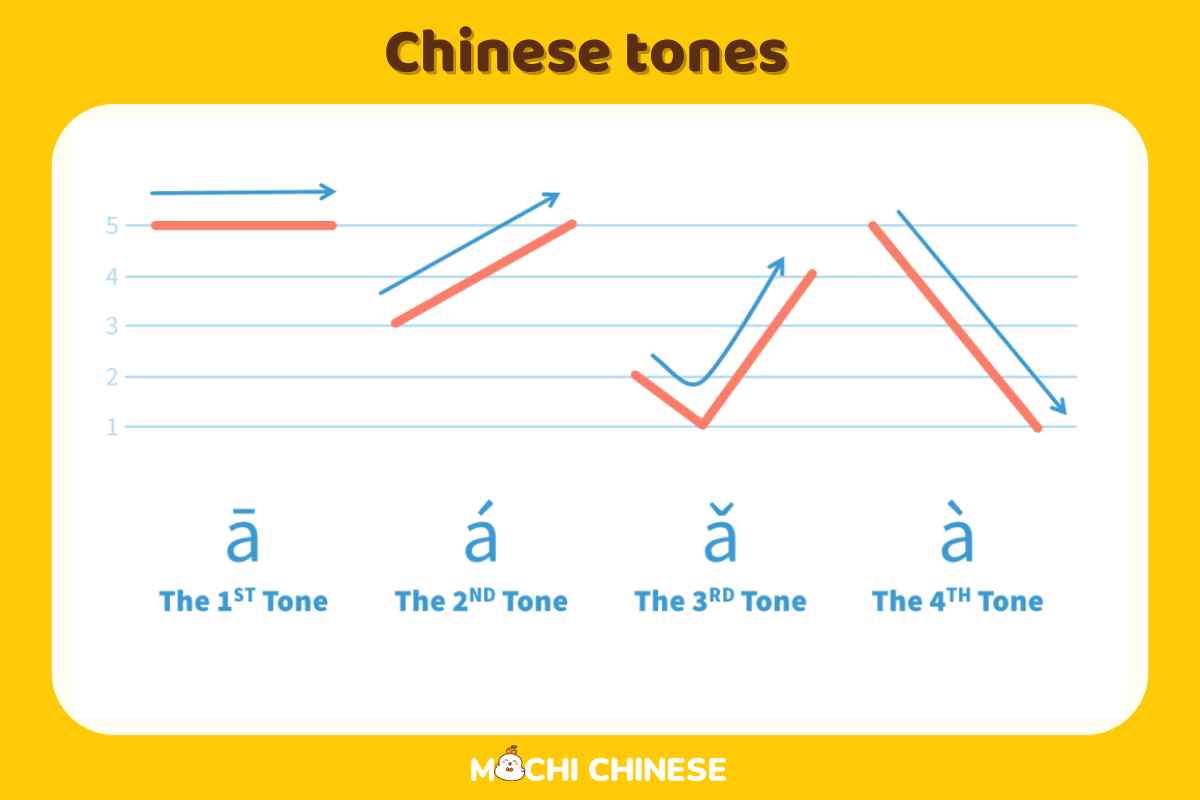
Understanding the importance of tones in Mandarin Chinese is crucial for achieving accurate pronunciation and effective communication in the language https://www.yanzimandarin.com/. Mandarin Chinese is a tonal language, which means that the tone in which a word is pronounced can change its meaning entirely. There are four main tones in Mandarin: flat, rising, falling-rising, and falling. Additionally, there’s a neutral tone used for certain words. Mastering these tones is essential for conveying the intended meaning as even a slight mispronunciation can lead to misunderstandings.
Each tone carries its own unique pitch contour, and mastering these pitches is fundamental to speaking Mandarin fluently. Without proper attention to tones, words that sound similar to an untrained ear can have vastly different meanings. This can lead to confusion and miscommunication, hindering your ability to express yourself clearly and understand others effectively. Therefore, dedicating time and effort to learning tones is key to unlocking the full potential of your Mandarin language skills.
Effects of Incorrect Tones
Mastering the correct tones in Mandarin Chinese is paramount as incorrect tones can significantly alter the meaning of words, resulting in potential misunderstandings and communication breakdowns. The four tones in Mandarin – flat, rising, falling-rising, and falling – play a crucial role in distinguishing between words. For example, the word ‘ma’ with a flat tone means ‘mother,’ while ‘ma’ with a rising tone means ‘hemp.’ This distinction showcases how a simple change in tone can completely change the intended message.
Mispronouncing tones can lead to embarrassing situations or even offense. For instance, saying ‘I want to eat chicken’ with the incorrect tone could inadvertently translate to ‘I want to eat garbage.’ Such misunderstandings can hinder effective communication and hamper relationships. Additionally, using incorrect tones may make it challenging for native speakers to comprehend your message swiftly, resulting in frustration and potential disinterest in further engagement.
Therefore, developing a keen ear for tones and practicing them diligently is imperative to convey your thoughts accurately and avoid unintended implications.
Tips for Mastering Tones
To improve your mastery of Mandarin Chinese tones and prevent misunderstandings in communication, it’s beneficial to focus on specific strategies for honing your tonal accuracy.
Firstly, listen actively to native speakers and mimic their tones. This can help you develop an ear for the correct pitch and intonation patterns. Additionally, practice speaking Mandarin regularly with native speakers or language partners who can provide feedback on your tone usage.
Another useful tip is to utilize tone marking systems when learning new vocabulary. Pinyin, for example, includes tone marks that indicate the tone for each syllable. Paying attention to these marks can help reinforce your memory of tones associated with different words.
Furthermore, practice tone pairs to contrast between similar tones and solidify your understanding of the distinctions. For instance, practicing the difference between the first and second tones can enhance your ability to differentiate between rising and flat tones.
Common Tone Mistakes to Avoid
Common mistakes in Mandarin Chinese tones often stem from improper pitch and intonation patterns during speech. One common error is using the wrong tone for a word, which can completely change its meaning. For example, the word ‘ma’ can mean ‘mother,’ ‘hemp,’ ‘horse,’ or ‘scold,’ depending on the tone used.
Another mistake is neglecting tone changes in connected speech. Tones can shift in connected speech due to tone sandhi rules, where the tone of one syllable can influence the tone of another. Failure to observe these changes can lead to miscommunications.
Additionally, some learners struggle with maintaining consistent tone heights. Each tone has a specific pitch contour that must be followed to convey the correct meaning. Deviating from these contours can result in misunderstandings.
Lastly, improper emphasis on certain syllables can distort the overall tone pattern of a sentence. Being mindful of these common tone mistakes and practicing regularly can help you improve your Mandarin Chinese pronunciation significantly.
Practical Exercises for Tone Practice
Improving your Mandarin Chinese pronunciation requires engaging in practical exercises that focus on mastering tone accuracy and consistency.
One effective exercise is tone pairing, where you practice speaking words with different tones in pairs. This helps you contrast tones and improves your ability to differentiate them.
Another useful exercise involves tone drills, where you repeat the same syllable with different tones multiple times. This repetition enhances muscle memory and aids in tonal recognition.
Additionally, practicing tone sandhi, the changes in tones that occur when words are combined in sentences, can enhance your overall tonal proficiency.
Utilizing tone training apps and online resources can also provide interactive exercises and immediate feedback to further refine your tone accuracy.
Consistent practice and exposure to various tonal patterns are crucial in mastering Mandarin Chinese tones. By incorporating these practical exercises into your daily routine, you can enhance your tone recognition and production skills significantly.
Conclusion
In conclusion, mastering tones in Mandarin Chinese is crucial for accurate pronunciation and effective communication. Incorrect tones can lead to misunderstandings and hinder fluency.
By actively listening to native speakers, practicing regularly, utilizing tone marking systems, and focusing on specific strategies, individuals can improve their tonal accuracy. Avoiding common tone mistakes and engaging in practical exercises can further enhance one’s ability to convey intended meanings clearly in Mandarin Chinese.
Overall, attention to tones is paramount for successful communication in the language.