
Foot health directly determines force transmission chiropodist vs podiatrist, balance, shock absorption and injury risk, so it shapes athletic performance and recovery. Minor plantar overloads or tendon irritations alter gait and cause compensatory loading at the ankle, knee, hip and spine. Simple screening, pressure mapping and targeted strengthening restore mechanical economy and reduce time lost to injury. Appropriate footwear, orthotics and timely specialist referral blunt progression of pathology. Continue for practical screens, exercises and escalation criteria to apply immediately.

Why Foot Health Matters for Athletic Performance
Maintaining peak foot health directly influences athletic performance by ensuring efficient force transmission, balance, and shock absorption during movement.
The athlete benefits from objective assessment: gait analysis identifies asymmetries, timing errors, and compensatory patterns that degrade efficiency and increase injury risk.
Complementary pressure mapping quantifies load distribution across the plantar surface People Podiatry, revealing focal overloads and dynamic pronation or supination.
Interventions—targeted exercises, orthotic adjustments, footwear selection—are prescribed based on measurable deficits to restore mechanical economy and preserve freedom of movement.
Monitoring progress with repeated gait analysis and pressure mapping confirms intervention efficacy and guides progressive return-to-load.
Emphasis on precise measurement and reproducible protocols enables athletes to optimize performance while minimizing downtime and preserving long-term mobility autonomy.
Common Foot Problems Athletes Face and How They Affect the Whole Body
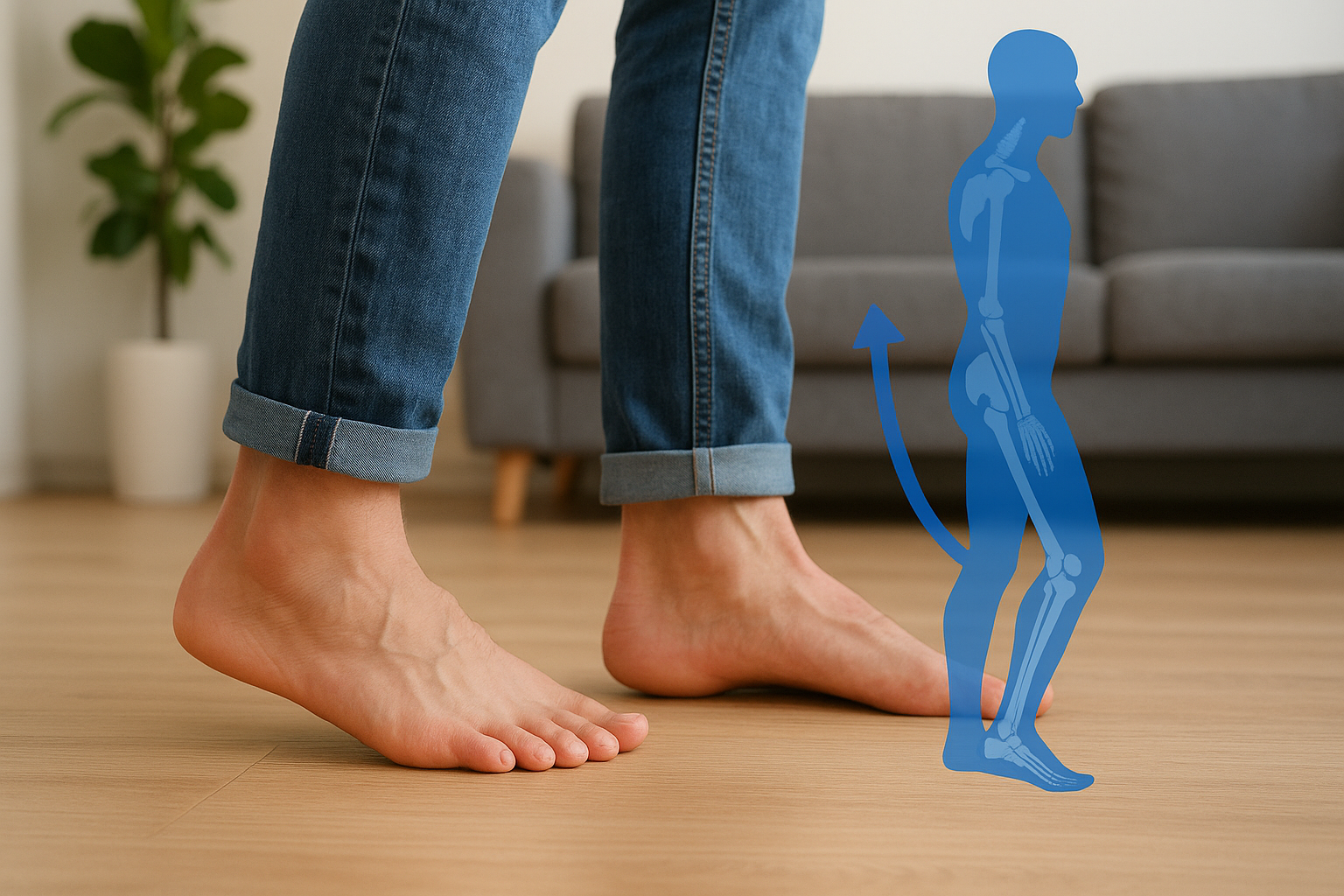
Foot pathologies common in athletes—such as plantar fasciitis, metatarsalgia, Achilles tendinopathy, stress fractures, and hallux valgus—create predictable biomechanical distortions that extend beyond the foot to affect kinetic chains. These conditions alter gait, load distribution, and joint alignment, producing compensatory patterns in the ankle, knee, hip, and lumbar spine that reduce efficiency and increase injury risk.
Local symptoms—pain, swelling, reduced push-off—combine with systemic consequences: altered cadence, pelvic tilt, and asymmetric force application. Management emphasizes targeted load modulation, footwear and orthotic strategies, blister prevention in training hygiene, and timely assessment for nerve entrapment when paresthesia or radiating pain occurs.
Interventions aim to restore neutral mechanics, preserve mobility, and enable unencumbered athletic participation.
Quick Self-Screening Checks to Catch Issues Early
Perform a brief, regular self-screening routine to identify early signs of overload, malalignment, or skin compromise that could progress to more significant injury. The practitioner observes and records simple, repeatable measures to preserve mobility and autonomy.
- Gait symmetry: walk 10–20 meters barefoot, note asymmetry in stride length, stance time, or compensatory trunk motion; document deviations for comparison.
- Skin inspection: examine interdigital spaces, heel, and plantar surfaces for redness, blisters, maceration, or callus patterns indicating focal pressure; photograph changes.
- Palpation and load response: press along metatarsal heads, navicular, and Achilles after activity to detect focal pain or swelling; compare bilaterally.
Refer promptly if persistent asymmetry, skin breakdown, or exertional pain appears.
Foot-Strengthening and Mobility Exercises Athletes Should Do Weekly
Several targeted exercises, performed two to three times weekly, can measurably improve intrinsic muscle strength, joint mobility, and load tolerance of the foot.
A concise program includes seated toe curls with a towel or resistance band to isolate flexor strength, progressing to standing single-leg toe curls for balance under load.
Short-foot activation drills reinforce medial arch control; hold five to ten seconds, repeat 8–12 times.
Ankle mobilizations—dorsiflexion and posterior talar glide techniques—restore sagittal plane range and should be integrated before dynamic work.
Calf eccentric lowering and controlled heel raises build plantarflexor capacity and tendon resilience.
Finish with dynamic proprioceptive tasks: single-leg reaches and uneven-surface stance to transfer gains to sport demands while preserving autonomous movement.
Choosing Shoes, Orthotics, and When to See a Specialist
When selecting footwear and considering orthotic intervention, clinicians and athletes must evaluate biomechanical needs, activity demands, and symptomatology to match support, motion control, and cushioning to the individual.
Proper sizing and material breathability are essential; ill-fitting shoes or non-breathable fabrics increase risk of blisters, fungal infection, and altered gait.
Selection favors shoes that stabilize the rearfoot, permit toe splay, and use breathable materials without excess weight.
Custom or semi-rigid orthotics are indicated for persistent pain, structural deformity, or failed conservative measures.
Referral to a podiatrist or sports medicine specialist is warranted for progressive symptoms, neurovascular compromise, or unclear diagnosis.
- Assess fit, gait, and activity profile.
- Trial breathable materials and objective cushioning metrics.
- Escalate to specialist if pain persists beyond conservative care.
Conclusion
Prime foot health underpins athletic performance, injury prevention, and efficient biomechanics. Neglecting feet predisposes athletes to local pathologies—plantar fasciitis, metatarsalgia, tendonitis—and to proximal compensations affecting knees, hips, and spine. Regular self-screening, targeted strengthening and mobility routines, and appropriate footwear or orthotic intervention reduce risk and restore function. Clinicians should be consulted for persistent symptoms or structural abnormalities. Integrating these practices into weekly training preserves performance capacity and minimizes downtime from preventable lower‑limb disorders.